Constructing a Reliable and Durable Shed: A Comprehensive Guide
This comprehensive guide provides detailed instructions for building a reliable and durable shed, suitable for a range of applications, from storing gardening tools to housing workshop equipment. The plans presented are designed for ease of construction, emphasizing practicality and straightforward techniques. While prior experience with carpentry is beneficial, this guide is structured to be accessible to DIY enthusiasts with moderate skill levels. Safety precautions are paramount throughout the process; always prioritize personal safety and adhere to all relevant building codes and regulations.
Phase 1: Planning and Preparation
Before commencing construction, meticulous planning is crucial for a successful outcome. This involves determining the shed’s dimensions, location, and material selection. Careful consideration of these factors will minimize potential problems and ensure a structurally sound and aesthetically pleasing final product.
1.1 Determining Shed Dimensions and Location
The size of your shed will primarily depend on its intended use. Consider the volume of items you need to store and allow for sufficient space for maneuvering within the shed. Common shed sizes range from 6ft x 4ft to 10ft x 8ft. Larger sheds necessitate more complex construction techniques and may require permits in certain jurisdictions. Choose a location that is level, well-drained, and easily accessible. Consider proximity to power sources if electrical components are anticipated. Avoid locations that could obstruct views or impede access to other structures on your property. Check local zoning regulations for any restrictions on shed placement.
1.2 Material Selection
The choice of materials significantly impacts the shed's durability, cost, and aesthetic appeal. Pressure-treated lumber is highly recommended for its resistance to rot and decay, particularly for the foundation and framing. For the siding, options include pressure-treated wood, vinyl, or metal panels. Each option offers different advantages in terms of maintenance, longevity, and cost. Pressure-treated wood provides a natural aesthetic, while vinyl and metal offer low-maintenance solutions. Consider the overall design and select materials that complement your existing structures and landscaping.
1.3 Necessary Tools and Materials
Assemble a comprehensive list of tools and materials prior to commencing construction to avoid delays. A thorough inventory ensures you have everything required and minimizes the need for interruptions during the build process. This list should include, but is not limited to:
- Measuring tape
- Level
- Shovel
- Post-hole digger (if required)
- Circular saw
- Drill with various drill bits
- Screwdriver (both Phillips and flathead)
- Hammer
- Safety glasses
- Work gloves
- Pressure-treated lumber (for framing and base)
- Siding material (wood, vinyl, or metal)
- Roofing material (e.g., asphalt shingles)
- Concrete mix (for foundation, if applicable)
- Nails or screws
- Weather stripping
Phase 2: Foundation Construction
A stable foundation is paramount for a long-lasting shed. The chosen foundation type depends on the shed’s size and the soil conditions. For smaller sheds, a simple concrete slab or gravel base suffices. Larger sheds may require a more robust foundation, such as concrete piers or a full concrete foundation. Ensure the foundation is level and appropriately sized to support the shed’s weight.
2.1 Preparing the Ground
Begin by clearing the chosen location of any vegetation, debris, or loose soil. Mark the perimeter of the shed's foundation using stakes and string. Ensure the area is level, using a level to check for any discrepancies and adjusting as needed. For a concrete slab foundation, excavate a level area to a depth of approximately 4 inches. For a gravel base, dig a slightly deeper area to accommodate the gravel layer.
2.2 Constructing the Foundation
For a concrete slab foundation, pour a layer of gravel for drainage and compact it firmly. Then, install a vapor barrier over the gravel. Construct a formwork from lumber to contain the concrete pour. Mix the concrete according to the manufacturer's instructions and pour it into the formwork, ensuring an even and level surface. Allow the concrete to cure completely, typically for 24-72 hours, before proceeding.
For a gravel base foundation, lay down a layer of compacted gravel, ensuring a level and stable surface. The thickness of the gravel layer should be sufficient to provide a firm and level base for the shed's floor framing. For a more substantial foundation consider using concrete piers set in the ground at the corners and midway along the sides. These provide excellent support and are suitable for less stable ground conditions.
Phase 3: Framing and Wall Construction
The framing provides the shed’s structural integrity. Precise measurements and careful assembly are essential to ensure a square and stable structure. Use pressure-treated lumber for the framing, ensuring all joints are properly secured with nails or screws.
3.1 Building the Floor Frame
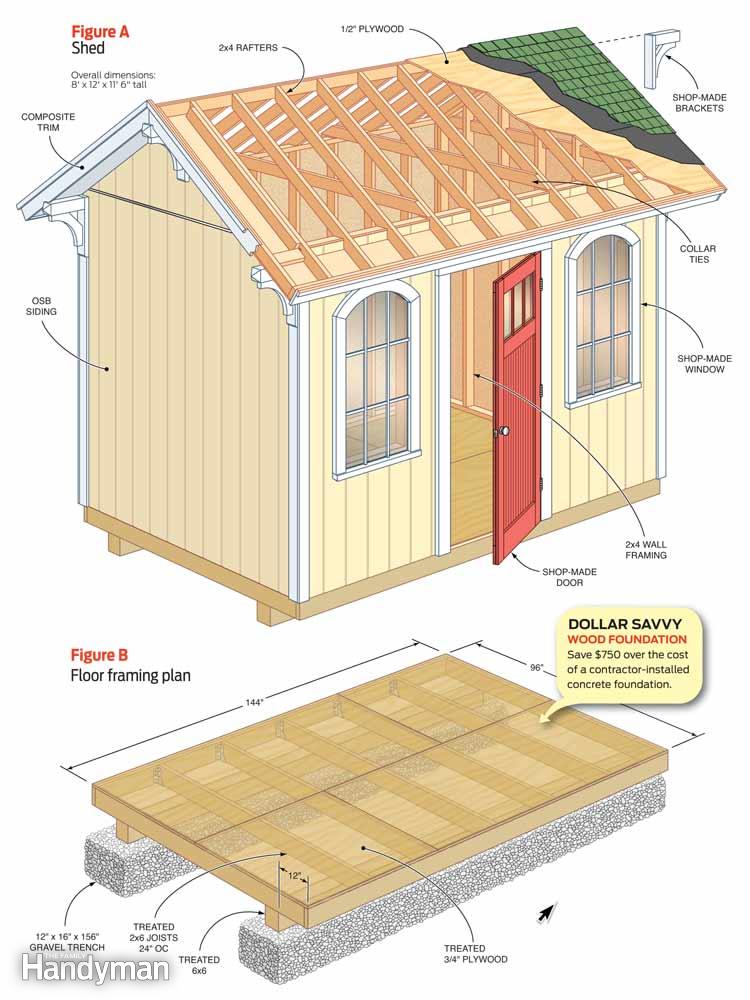
Construct the floor frame by building a rectangular frame using pressure-treated lumber. Cut the lumber to the required lengths and secure the joints with screws or nails. Add cross-members for extra support, ensuring even spacing across the floor frame. This frame will form the base for your shed's floor. Attach the floor frame to the foundation using appropriate fasteners.
3.2 Erecting the Wall Frames
Build the wall frames using pressure-treated lumber, creating rectangular frames for each wall. Ensure the frames are square and plumb, using a level and a square to check measurements. Construct the frames on the ground, then carefully lift them into position and secure them to the floor frame. Add additional bracing to enhance stability.
3.3 Installing the Siding
Once the wall frames are erected, attach the chosen siding material. Follow the manufacturer's instructions for installation. Ensure proper alignment and overlapping of the siding panels for optimal weather protection. Use appropriate fasteners to secure the siding to the wall frames. For wood siding, ensure proper sealing and painting or staining to protect against the elements.
Phase 4: Roof Construction and Finishing
The roof protects the shed's interior from the elements. Proper construction is vital for durability and longevity. Consider the roof pitch and the chosen roofing material when planning this stage. A steeper pitch aids water runoff.
4.1 Building the Roof Frame
Construct the roof frame according to your chosen roof style (gable, shed, hip, etc.). Use pressure-treated lumber and ensure all joints are properly secured. The roof frame should be firmly attached to the wall frames. Use appropriate bracing to ensure the roof's stability and prevent sagging.
4.2 Installing the Roofing Material
Install the chosen roofing material, following the manufacturer's instructions. Ensure proper overlapping of the roofing material to prevent leaks. Use appropriate nails or screws to secure the roofing to the roof frame. Consider adding underlayment for additional protection against moisture.
4.3 Final Touches and Finishing
Once the roof is complete, add any finishing touches, such as weather stripping around doors and windows, trim around the edges of the shed, and any desired paint or stain.
Phase 5: Safety Precautions and Considerations
Throughout the entire construction process, safety should be your top priority. Always wear appropriate safety equipment, including safety glasses and work gloves. Use caution when operating power tools, and ensure proper ventilation in the work area. Follow all manufacturer's instructions for materials and tools. Regularly check your work for structural integrity and correct any issues promptly. Consult with building professionals if you are unsure about any aspect of the construction process, especially regarding local building codes and regulations. Adhering to safety protocols not only ensures your personal safety, but also contributes to the longevity and reliability of the finished structure.
By carefully following these plans and prioritizing safety, you can successfully build a reliable and durable shed that will serve its purpose for many years to come. Remember to adjust these plans to suit your specific needs and local conditions. Consult relevant building codes and regulations before starting your project.