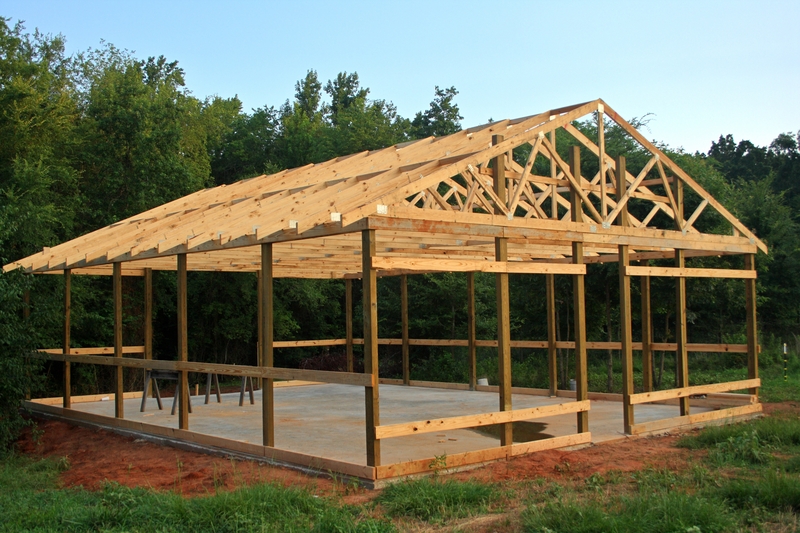
A pole barn, also known as a post-frame building, offers a versatile and cost-effective solution for a variety of agricultural and commercial needs, including farm shops and workshops. This guide provides a comprehensive overview of the process, encompassing planning, design, construction, and essential considerations for building a successful pole barn structure.
I. Planning and Design:
A. Define the Purpose and Requirements:
Functionality: Clearly define the primary purpose of the pole barn. Will it serve as a farm shop, a workshop, a storage facility, or a combination of these? Consider the specific activities you will undertake, such as welding, woodworking, or heavy machinery use.
Size and Dimensions: Determine the necessary floor space, including the footprint of equipment, workbenches, and storage. Consider future growth and potential expansion needs.
Height: Adequate ceiling height is crucial for accommodating tools, machinery, and overhead lighting. Ensure sufficient clearance for overhead doors and large equipment.
Climate Considerations: Take into account your region's climate, including temperature extremes, snowfall, and wind loads. Consider insulation, ventilation, and heating/cooling requirements.
B. Design Considerations:
Foundation: Choose a foundation that is appropriate for the soil conditions and the weight of the structure. Options include concrete piers, concrete footings, or helical piles.
Framing: Pole barns utilize vertical posts embedded in the foundation, supporting the roof and walls. Select high-quality, pressure-treated lumber for durability and pest resistance.
Roofing: Consider the roof slope, material, and drainage system. Options include metal roofing, shingles, or other durable materials resistant to weather and fire.
Siding: Choose siding that is aesthetically pleasing, weather-resistant, and low-maintenance. Options include metal, wood, or vinyl.
Windows and Doors: Incorporate windows and doors strategically for natural light, ventilation, and accessibility. Consider overhead doors for large equipment access.
Electrical and Plumbing: Plan for electrical outlets, lighting, and potential plumbing needs, including water and drainage systems.
C. Building Codes and Permits:
Local Regulations: Consult with your local building department to determine applicable codes and permitting requirements. Ensure your design complies with safety regulations and zoning ordinances.
Zoning: Confirm that your chosen site and building plans adhere to local zoning laws.
II. Construction Process:
A. Site Preparation:
Clearing and Grading: Clear the site of any obstructions, including trees, rocks, and debris. Level the ground to provide a stable foundation for the building.
Foundation Installation: Install the chosen foundation system according to specifications and local codes. Allow sufficient time for concrete to cure.
B. Framing:
Post Erection: Erect the vertical posts, aligning them accurately and securing them to the foundation. Ensure stability and plumbness.
Beam Installation: Install horizontal beams to support the roof and walls. Secure the beams to the posts using appropriate fasteners and techniques.
Roof Truss Installation: Install roof trusses, ensuring proper spacing and connection to the beams. Use specified fasteners and bracing for structural integrity.
C. Roofing and Siding:
Roofing Installation: Install the chosen roofing material, following manufacturer recommendations and local building codes. Ensure proper flashing and drainage.
Siding Installation: Install siding material, ensuring proper overlap, nailing, and weather-resistant sealing.
D. Windows and Doors:
Installation: Install windows and doors accurately, ensuring proper framing, weather-stripping, and flashing.
Overhead Doors: Install overhead doors for large equipment access, ensuring proper installation, operation, and safety features.
E. Electrical and Plumbing:
Wiring and Outlets: Install electrical wiring and outlets according to local codes and electrician recommendations. Ensure proper grounding and safety precautions.
Plumbing Installation: Install plumbing for water supply and drainage systems, adhering to local plumbing codes and regulations.
III. Considerations for Farm Shops and Workshops:
A. Safety:
Fire Prevention: Install fire extinguishers, smoke detectors, and fire-resistant materials to minimize fire hazards.
Ventilation: Ensure adequate ventilation to remove fumes, dust, and other airborne pollutants.
Lighting: Provide adequate lighting for safe operation, especially in areas with machinery and tools.
Floor Surfaces: Choose flooring materials that are durable, resistant to spills, and provide adequate traction.
B. Equipment and Storage:
Space Planning: Design the layout to accommodate equipment and storage needs, including workbenches, tool cabinets, and material storage areas.
Accessibility: Ensure easy access to equipment and storage areas for efficient work flow.
Organization: Utilize shelves, drawers, and other organizational tools to keep equipment and supplies organized.
C. Insulation and Heating/Cooling:
Insulation: Consider insulation options to improve energy efficiency and provide a comfortable working environment.
Heating and Cooling: Install heating and cooling systems based on the climate and usage patterns.
IV. Conclusion:
Building a pole barn for a farm shop or workshop involves careful planning, design, and construction. By following this comprehensive guide, you can create a durable, functional, and safe structure that meets your specific needs. Remember to prioritize safety, functionality, and long-term durability throughout the entire process. Seeking professional guidance from architects, engineers, and contractors can enhance the quality and efficiency of your pole barn construction project.
0 comments:
Post a Comment