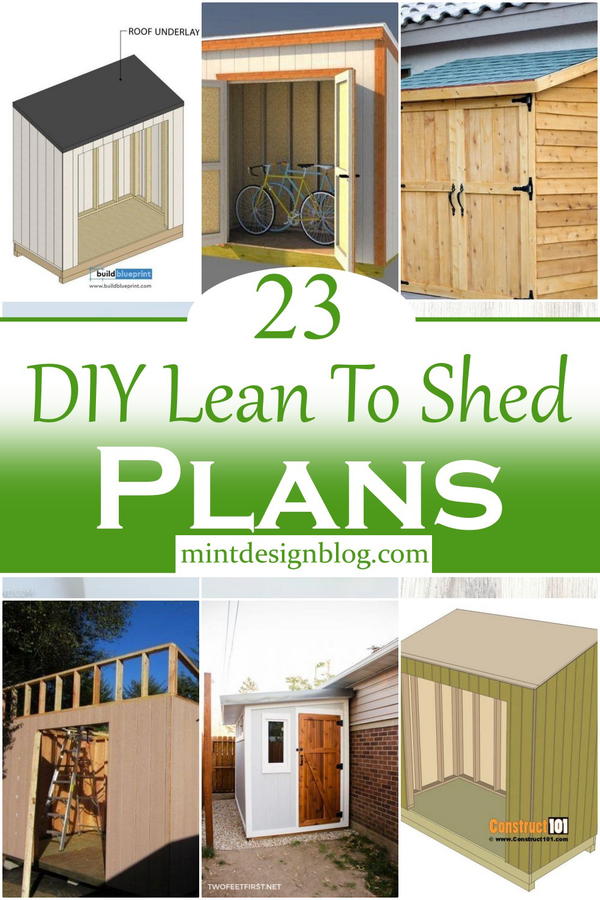
DIY Lean-To Shed Build: A Project That Won’t Break the Bank
Constructing a lean-to shed offers a practical and economical solution for expanding storage or creating a sheltered workspace. This comprehensive guide details the process of building a lean-to shed, emphasizing cost-effective strategies and efficient techniques. While professional assistance may be beneficial for complex designs or challenging site conditions, this guide empowers DIY enthusiasts with the knowledge to undertake this project independently, minimizing expenditure and maximizing personal satisfaction.
Phase 1: Planning and Preparation
Meticulous planning forms the foundation of any successful construction project. The lean-to shed, despite its relatively simple design, necessitates careful consideration of several key aspects.
Site Selection and Assessment
Choosing the appropriate location is paramount. Consider proximity to existing structures, accessibility for material delivery and future use, and potential impact on landscaping. Evaluate the ground conditions; a level surface is crucial for structural stability. Check local building regulations regarding permitted structures and setback requirements from property lines.
Design and Material Selection
Determine the desired dimensions of your lean-to shed. Consider the intended use to determine the required internal space. A simple rectangular design is both cost-effective and easy to construct. Material selection significantly impacts the overall cost and longevity of the structure. Pressure-treated lumber is a cost-effective choice, offering resistance to rot and insect infestation. Consider using reclaimed or recycled materials where feasible to further reduce expenses. For roofing, asphalt shingles are widely available and relatively inexpensive. For a more rustic aesthetic, corrugated metal sheeting provides durability and longevity.
Budgeting and Material Acquisition
Create a detailed budget encompassing all anticipated expenses. This includes the cost of materials, tools (consider renting tools if purchasing is cost-prohibitive), and any potential permits or inspections. Research prices from different suppliers to secure the most competitive rates. Consider purchasing materials in bulk to potentially benefit from discounts. Creating a detailed shopping list prevents unnecessary purchases and minimizes waste.
Tool Acquisition and Preparation
Assemble the necessary tools before commencing construction. Essential tools include: a measuring tape, level, shovel, post hole digger (or auger), circular saw, drill with various drill bits, hammer, safety glasses, work gloves, and a spirit level. Ensure all tools are in good working order. Renting specialized tools, such as a post hole digger, can significantly reduce costs compared to purchasing.
Phase 2: Foundation and Framing
A solid foundation is crucial for a stable and long-lasting lean-to shed. The framing provides the structural integrity of the building.
Foundation Construction
For a simple lean-to shed, a concrete slab foundation is not always necessary. A gravel base provides sufficient stability for lighter structures. Excavate the desired area to a depth of approximately 6 inches. Compact the base thoroughly. Add a layer of gravel, compacting it again. This provides drainage and a level surface for the base framing. Consider using pressure treated lumber for ground contact.
Framing the Walls and Roof
The framing constitutes the skeleton of the lean-to shed. The wall framing typically consists of vertical studs attached to a base plate and top plate. The roof framing is constructed using rafters, supported by the wall framing and the supporting structure (the existing building or wall the lean-to is attached to). Precise measurements are crucial to ensure proper alignment and stability. Use appropriate fasteners (nails or screws) to securely join the framing members.
Attaching to the Existing Structure
Securely attaching the lean-to to the existing building is crucial for structural integrity. Ensure the attachment points are robust and capable of withstanding wind loads. Use appropriate fasteners and consider using metal brackets for added strength. Consult a structural engineer for advice if attaching to a complex or load-bearing wall.
Phase 3: Roofing and Siding
The roofing and siding protect the shed from the elements, providing weather resistance and insulation.
Roofing Installation
Install the roofing material according to the manufacturer's instructions. Ensure proper ventilation to prevent moisture buildup. For asphalt shingles, start at the bottom edge of the roof and work your way up, overlapping each shingle according to the manufacturer's specifications. For corrugated metal sheeting, secure the sheets with appropriate fasteners, ensuring proper overlap to prevent leaks. Consider using roofing felt or underlayment to provide an additional layer of protection against leaks.
Siding Installation
Apply the chosen siding material, ensuring proper overlap and secure fastening. Check for alignment and straightness throughout the installation process. If using wood siding, consider painting or sealing it to enhance durability and weather resistance. Properly sealing all joints and gaps will prevent moisture intrusion.
Finishing Touches
Once the roofing and siding are complete, add finishing touches such as gutters and downspouts to manage water runoff. Install a door and windows if desired. Consider adding trim for a more polished appearance. A final inspection of all aspects of the construction should be performed to ensure structural integrity and water tightness.
Phase 4: Cost-Saving Strategies
Constructing a lean-to shed affordably requires strategic planning and resourcefulness.
Conclusion
Building a lean-to shed presents a rewarding and cost-effective DIY project. By meticulously planning, sourcing materials wisely, and employing efficient construction techniques, homeowners can create a functional and valuable addition to their property without breaking the bank. This guide provides a framework for success; remember to prioritize safety and consult professional advice when necessary. The satisfaction of completing this project independently is an added benefit, enhancing the value of the completed shed.
0 comments:
Post a Comment