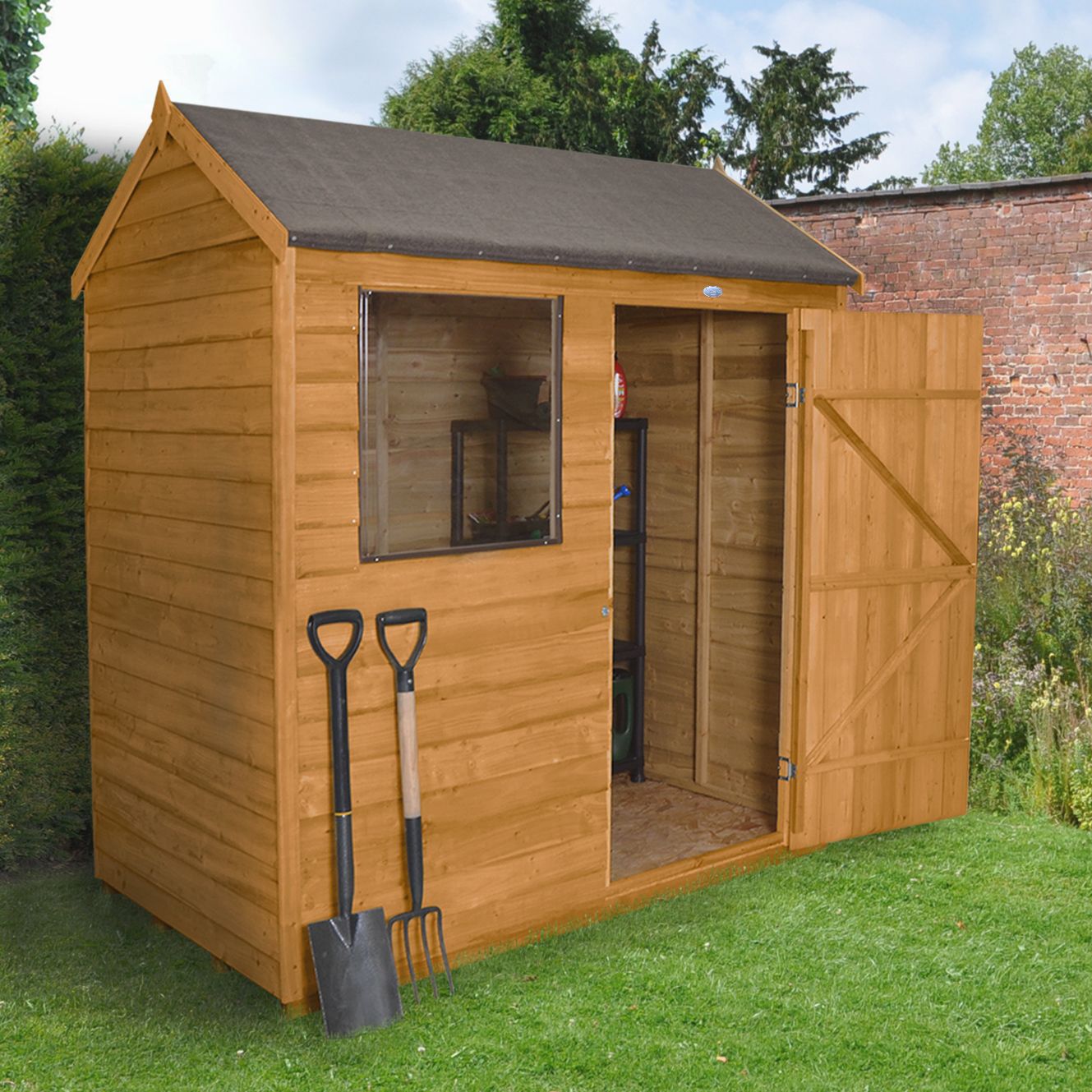
Constructing a Budget-Friendly 8x6 Wood Garden Shed
This comprehensive guide details the process of building a functional and cost-effective 8x6 wood shed suitable for garden storage. By focusing on efficient material selection, careful planning, and employing readily available tools, significant savings can be achieved without compromising structural integrity or aesthetic appeal. This detailed approach allows for adaptability to individual skill levels and readily accessible resources.
Phase 1: Planning and Preparation
Before commencing construction, meticulous planning is paramount to ensure a successful outcome. This phase involves several key steps that lay the foundation for a robust and efficient build.
Site Selection and Preparation
Choosing the appropriate location for your shed is crucial. Consider factors such as proximity to the garden, accessibility for moving materials, and adequate sunlight for natural ventilation. Ensure the chosen site is level; uneven ground will compromise the shed's stability and complicate construction. Leveling the ground may involve excavation and compacting soil or utilizing a concrete slab, depending on budget and site conditions. Obtain any necessary permits from your local authority before starting construction.
Material Acquisition and Cost Optimization
Material selection significantly influences the project's budget. Opt for readily available and affordable lumber such as pressure-treated pine or fir for the frame and exterior cladding. Consider purchasing lumber in bulk from a lumberyard or salvage yard for potential discounts. For roofing, asphalt shingles offer a balance of cost-effectiveness and durability. Explore options for sourcing recycled or reclaimed materials where possible.
Detailed material list: Create a comprehensive list of all materials required, including lumber dimensions (e.g., 4x4 posts, 2x4 studs, plywood sheeting), fasteners (nails, screws), roofing materials, paint or sealant, and any necessary hardware (hinges, handles, locks).
Cost estimation: Obtain accurate pricing for all materials from your chosen suppliers. Compare prices from different vendors to secure the most competitive rates. Factor in potential transportation costs and add a contingency buffer (approximately 10-15%) to account for unexpected expenses or material waste.
Tool Acquisition and Preparation
The necessary tools for this project can largely be sourced from local tool rental companies or borrowed from friends or family, mitigating the significant upfront cost of purchasing new equipment. Essential tools include:
- Measuring tape
- Level
- Shovel
- Post-hole digger (or auger)
- Hammer
- Circular saw
- Drill with various drill bits
- Screwdriver bits (Phillips and flathead)
- Safety glasses
- Work gloves
Ensure all tools are in good working order and that you are familiar with their safe operation. Prioritize safety throughout the construction process.
Phase 2: Foundation and Framing
This phase focuses on creating a solid foundation and erecting the structural frame of the shed.
Foundation Construction
The foundation choice depends on budget and soil conditions. A simple concrete slab provides a level and durable base. Alternatively, a gravel base with pressure-treated lumber supports can be a more economical option. For the gravel base, dig out a level area to a depth of approximately 4-6 inches, compact the gravel, and level it before placing the supports. Ensure supports are adequately spaced and secured to provide robust support for the framing.
Frame Assembly
The shed's frame is constructed from pressure-treated lumber. Begin by building the base frame, ensuring squareness and accurate measurements. Erect the wall frames, using appropriate bracing to maintain stability. Utilize 4x4 posts as corner supports, securing them firmly to the foundation. Once the wall frames are complete, carefully lift and attach them to the base frame, ensuring alignment and squareness.
Roof Framing
The roof structure is usually a simple gable roof, easy to construct and cost-effective. Construct the roof trusses according to the dimensions of the shed. Attach the trusses to the top plates of the wall frames, ensuring they are securely fastened and evenly spaced. Consider using metal brackets to enhance strength and stability.
Phase 3: Sheathing, Roofing, and Finishing
This phase involves enclosing the shed's frame, installing the roofing, and completing the finishing touches.
Wall Sheathing and Cladding
Apply exterior-grade plywood sheathing to the frame, ensuring proper alignment and fastening. This provides a solid base for the exterior cladding. For cladding, use weather-resistant materials like tongue-and-groove boards or shiplap siding. Apply the cladding horizontally or vertically, ensuring that the boards are properly overlapped and sealed to prevent water damage.
Roofing Installation
Install underlayment on the roof trusses before laying the asphalt shingles. The underlayment acts as a water barrier, protecting the shed from moisture damage. Follow the manufacturer's instructions for shingle installation. Ensure that the shingles are properly overlapped and secured with nails. Add ridge capping and flashing around chimneys or vents as needed.
Doors and Windows
Install the shed door and any windows. Pre-hung doors simplify installation. Ensure the door frame is properly aligned and secured before attaching the door. Caulk around windows and doors to prevent drafts and moisture penetration.
Finishing Touches
Apply a weather-resistant sealant or paint to the exterior of the shed to protect it from the elements. This also enhances the shed’s aesthetic appeal. Consider adding additional features such as shelving or a workbench inside the shed, tailored to your specific storage needs.
Phase 4: Inspection and Completion
Before considering the project complete, a thorough inspection is crucial. Ensure that all structural components are securely fastened, and that there are no gaps or weaknesses in the construction. Check for any issues with the roofing, doors, or windows. Address any defects promptly to ensure the longevity and functionality of the shed.
By following this detailed plan, you can successfully construct a functional and affordable 8x6 wood shed for your garden storage needs. Remember to prioritize safety throughout the construction process and adapt this guide to your specific needs and resource availability.
0 comments:
Post a Comment