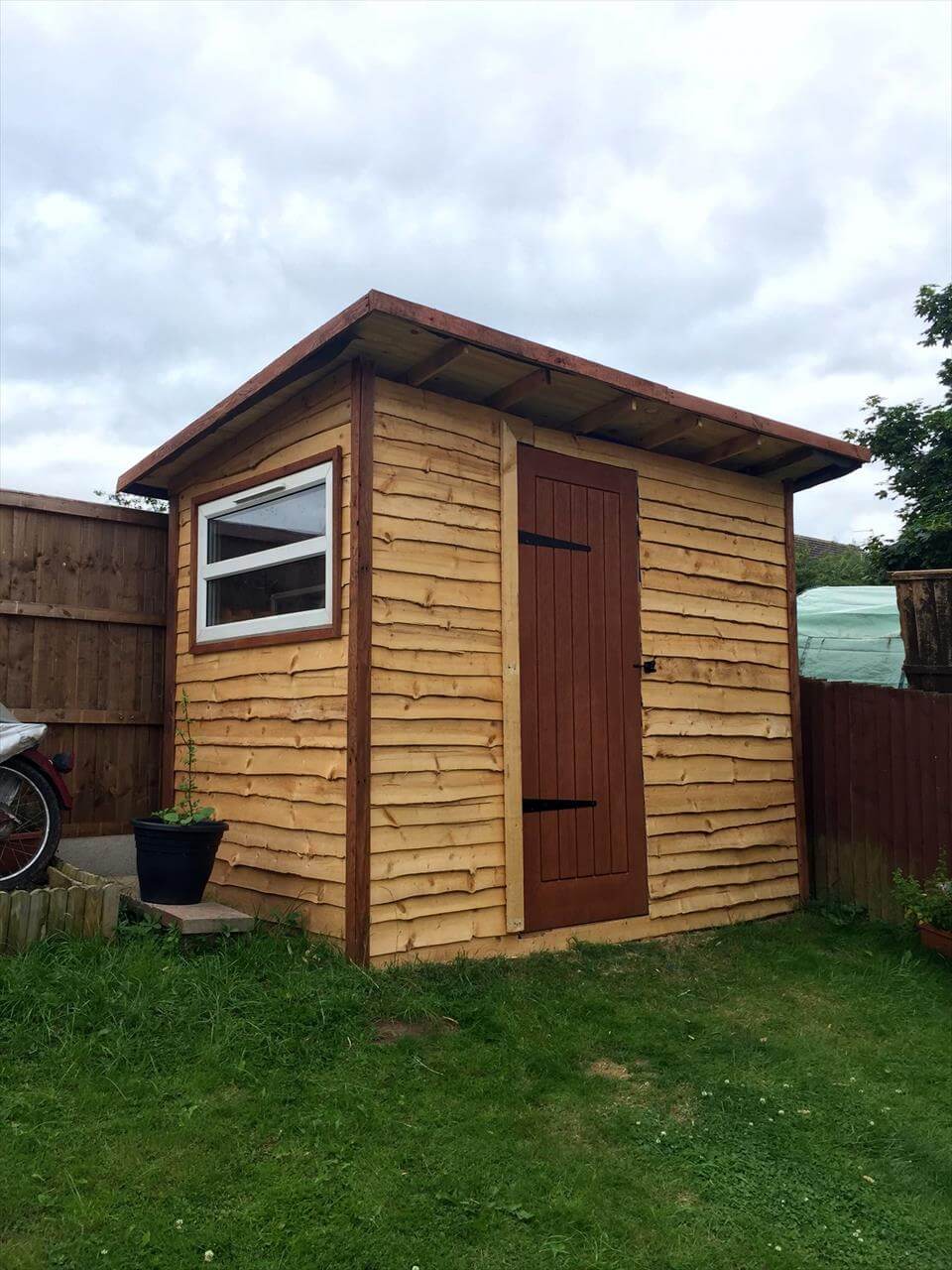
How to Build a DIY Pallet Shed: Step-by-Step Plans for Beginners
Dreaming of extra storage space without the hefty price tag of a professionally built shed? You're in luck! This guide provides a comprehensive, step-by-step approach to constructing your own charming and functional pallet shed. Using reclaimed pallets offers an eco-friendly and budget-friendly solution, allowing you to unleash your inner builder and personalize your outdoor space. Let's get started!
Planning Your Pallet Shed Project
Before you grab your hammer, careful planning ensures a successful build. First, determine the size and location of your shed. Consider the space available in your yard, access for delivery of materials (if needed), and local building regulations. Sketch a simple design outlining the dimensions, door placement, and any additional features you envision, like windows or a roof overhang. Next, source your pallets. Inspect them thoroughly for rot, damage, and loose nails before committing to using them. You'll need enough to cover the walls, roof, and floor. Finally, gather your essential tools and materials, which we will cover in detail later. A well-laid plan will prevent costly mistakes and save you valuable time.
Gathering Materials and Tools
Essential Materials:
Your materials list will vary depending on the size of your shed, but here’s a general guideline:
- Reclaimed pallets (sufficient for walls, roof, and floor)
- Strong, treated lumber for the frame (4x4 posts for the base and 2x4s for the walls and roof)
- Roofing material (metal, shingles, or recycled plastic sheets)
- Exterior-grade screws and nails
- Concrete or gravel for the base (depending on your chosen foundation)
- Exterior-grade paint or sealant (optional, for weather protection)
- Door hardware (hinges, handle, latch)
- Window frames and glass (optional)
Essential Tools:
Having the right tools at hand will make the process smoother and more efficient:
- Measuring tape and level
- Hammer and claw hammer
- Drill with various drill bits (including a screw-driving bit)
- Circular saw or hand saw
- Shovel (for digging the base)
- Safety glasses and work gloves
- Post hole digger (optional, for setting posts in concrete)
Building the Foundation and Frame
Begin by preparing a level base. For a simple solution, consider a gravel base, ensuring it is compacted and leveled. For a more permanent structure, you may opt for a concrete foundation, pouring concrete into a prepared formwork. Once the base is set, construct the frame using your treated lumber. Begin by setting the corner posts, ensuring they are plumb and level. Then, attach the horizontal beams to create a sturdy rectangular frame for the walls. Carefully measure and cut the lumber to ensure accurate dimensions. Remember, a solid frame is crucial for a stable and long-lasting shed.
Assembling the Walls and Roof
Now comes the rewarding part â€" constructing the walls! Attach the pallets to the frame using screws and/or nails. Ensure that the pallets are securely fastened, and stagger the joints for added strength. You may need to cut some pallets to fit the dimensions of your walls. For the roof, create a simple gable or shed roof design using more treated lumber. Once the roof frame is complete, secure your chosen roofing material, ensuring it is weatherproof and durable. Remember to check for any gaps and seal them appropriately.
Adding the Door and Finishing Touches
After completing the walls and roof, install your door. Use strong hinges and secure the door handle and latch. If you're including windows, install them now, ensuring a proper seal to prevent drafts and leaks. Finally, consider applying exterior-grade paint or sealant to protect your shed from the elements and enhance its aesthetic appeal. This step will significantly prolong the life of your structure and give it a more polished look. Take your time and enjoy the satisfaction of completing your DIY project!
Safety First!
Always prioritize safety throughout the entire building process. Wear safety glasses and work gloves at all times. Be cautious when using power tools and ensure that the work area is clear of obstacles. If you're unsure about any aspect of the project, don't hesitate to seek professional advice.
0 comments:
Post a Comment